Roof on, services in, and the last look at the details that only attached housing has.
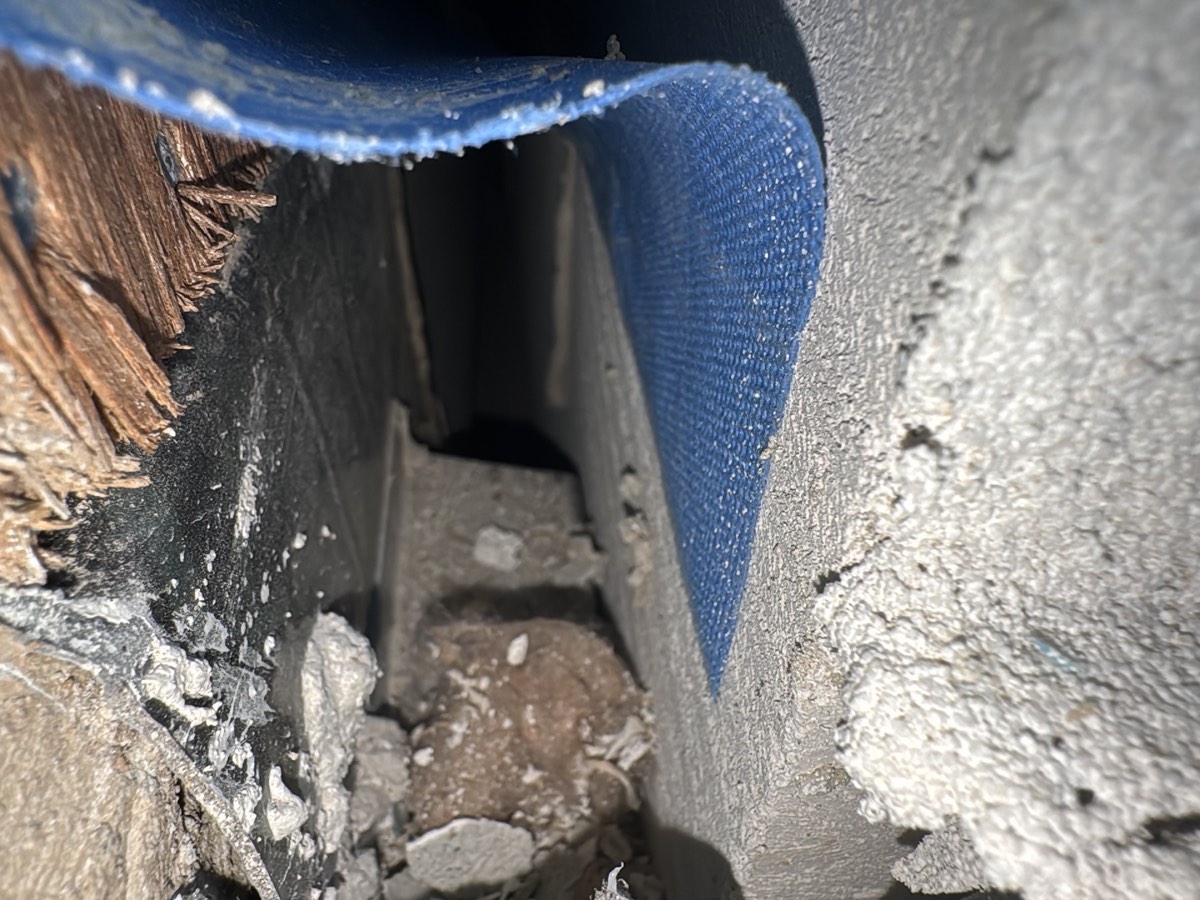
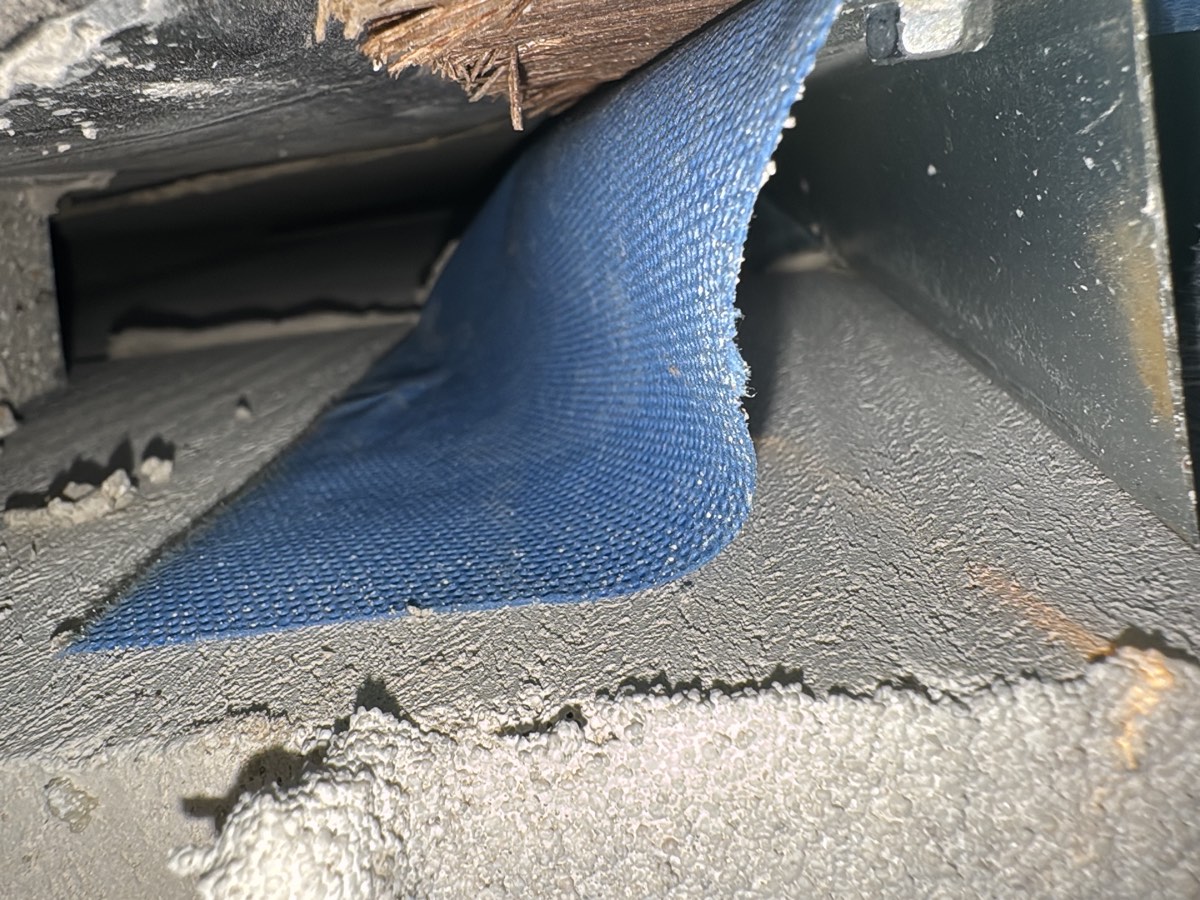
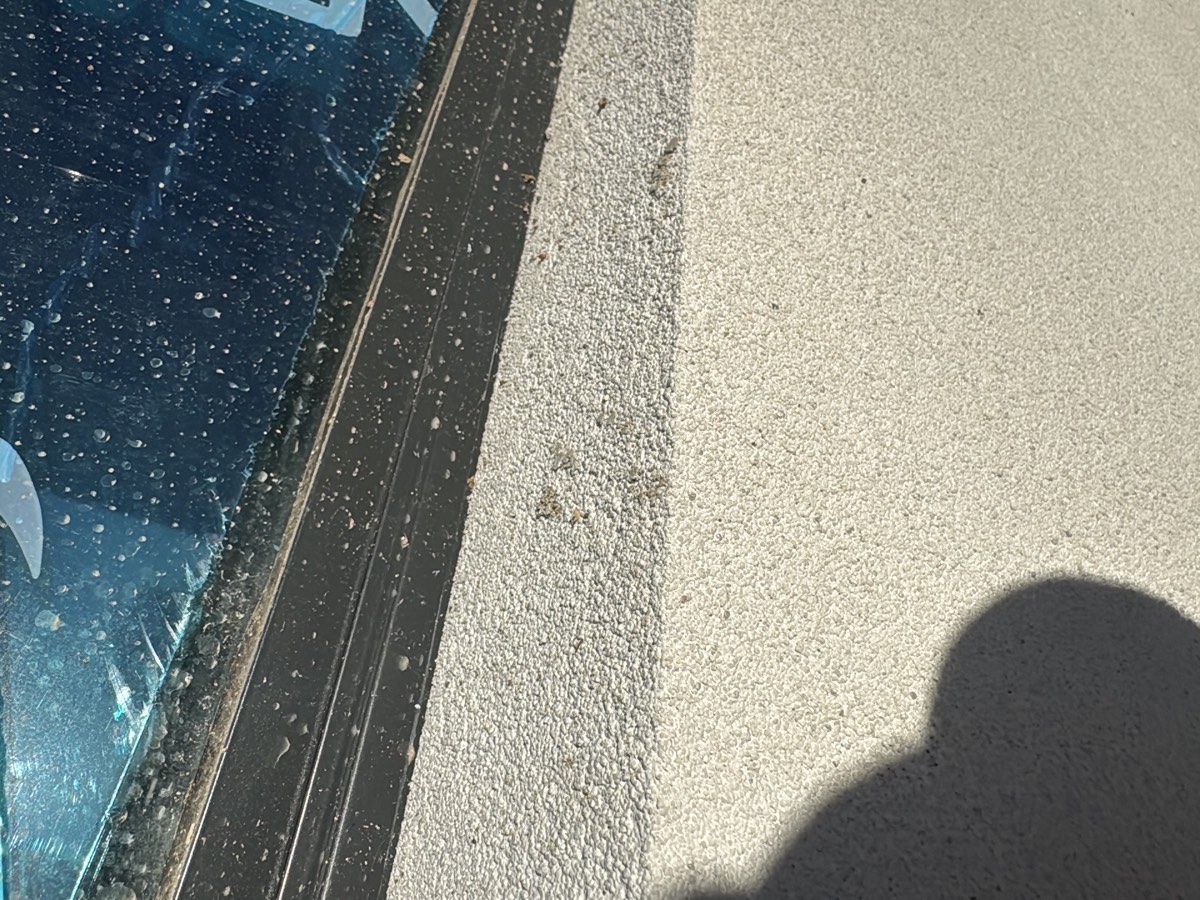
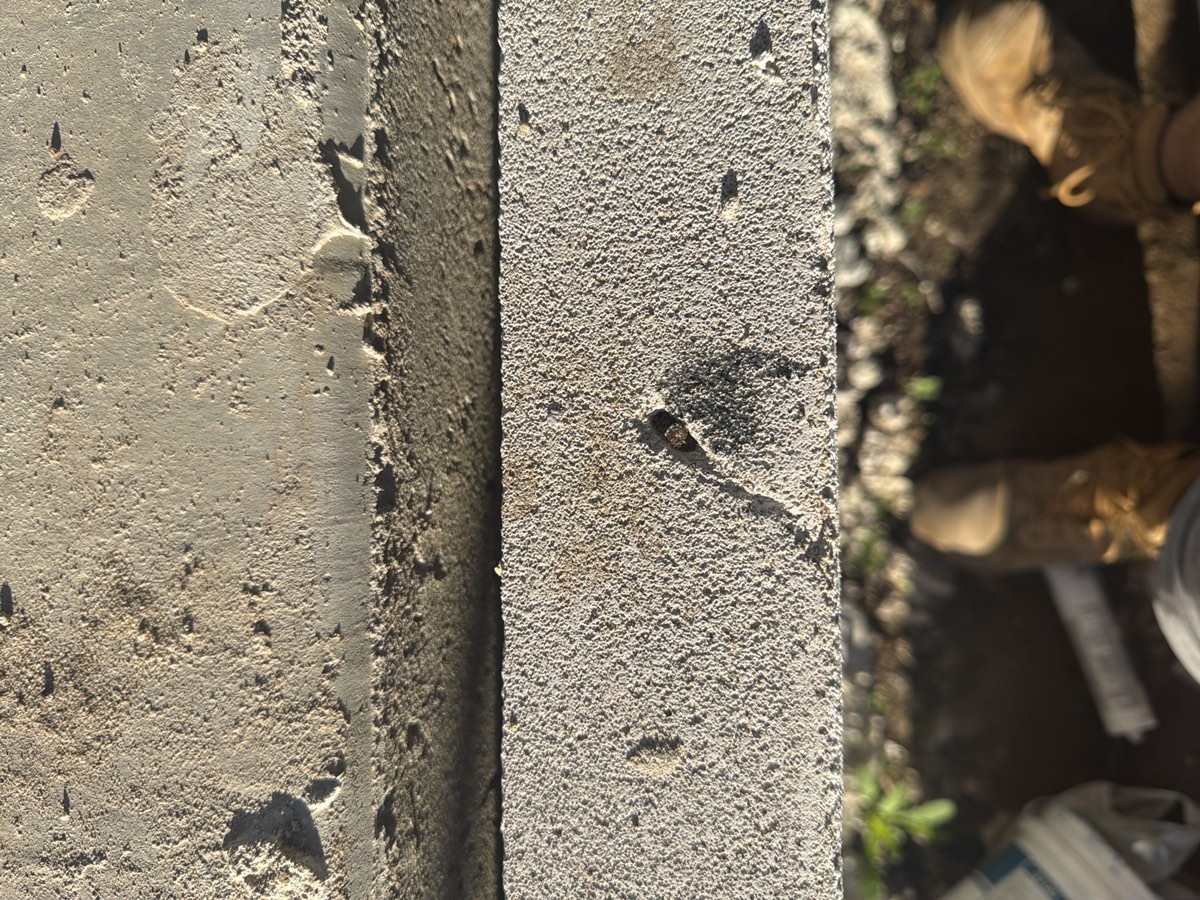
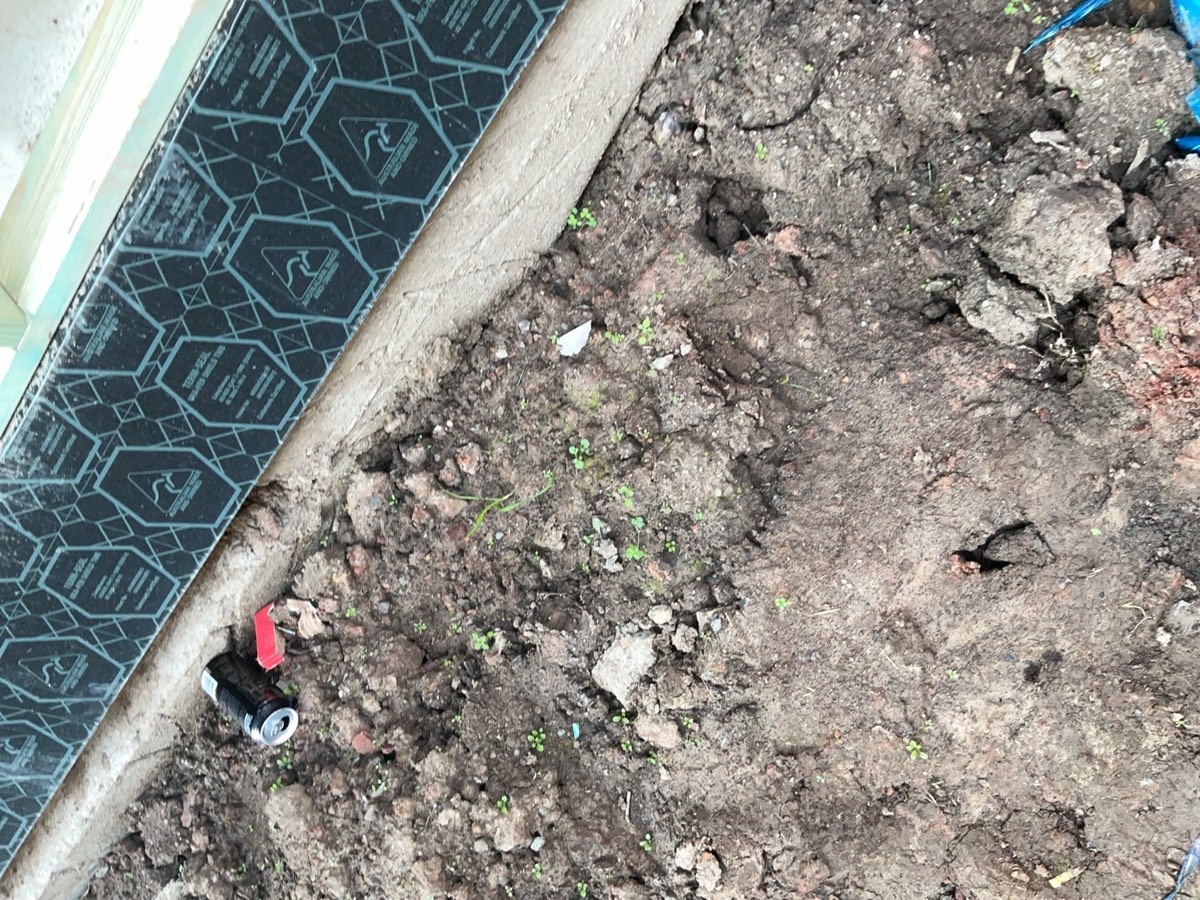
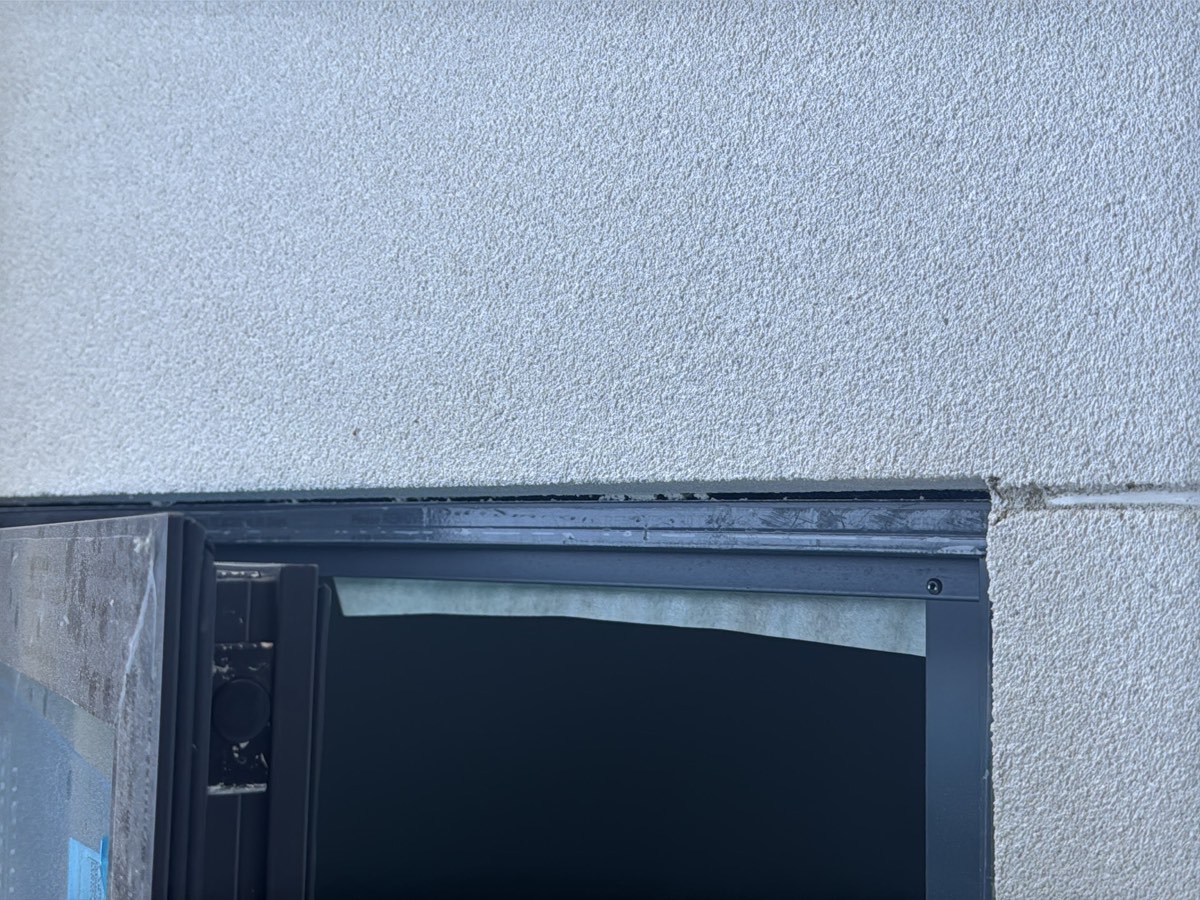
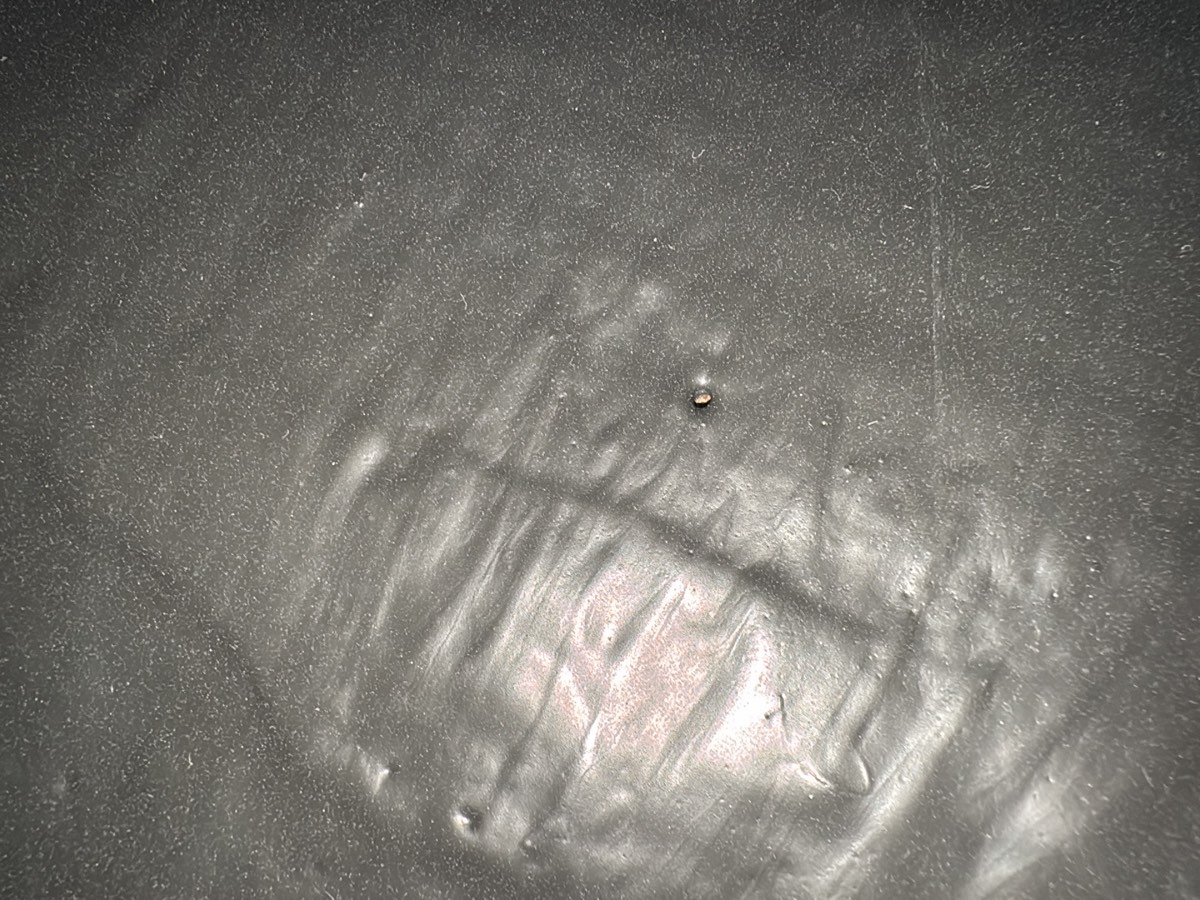
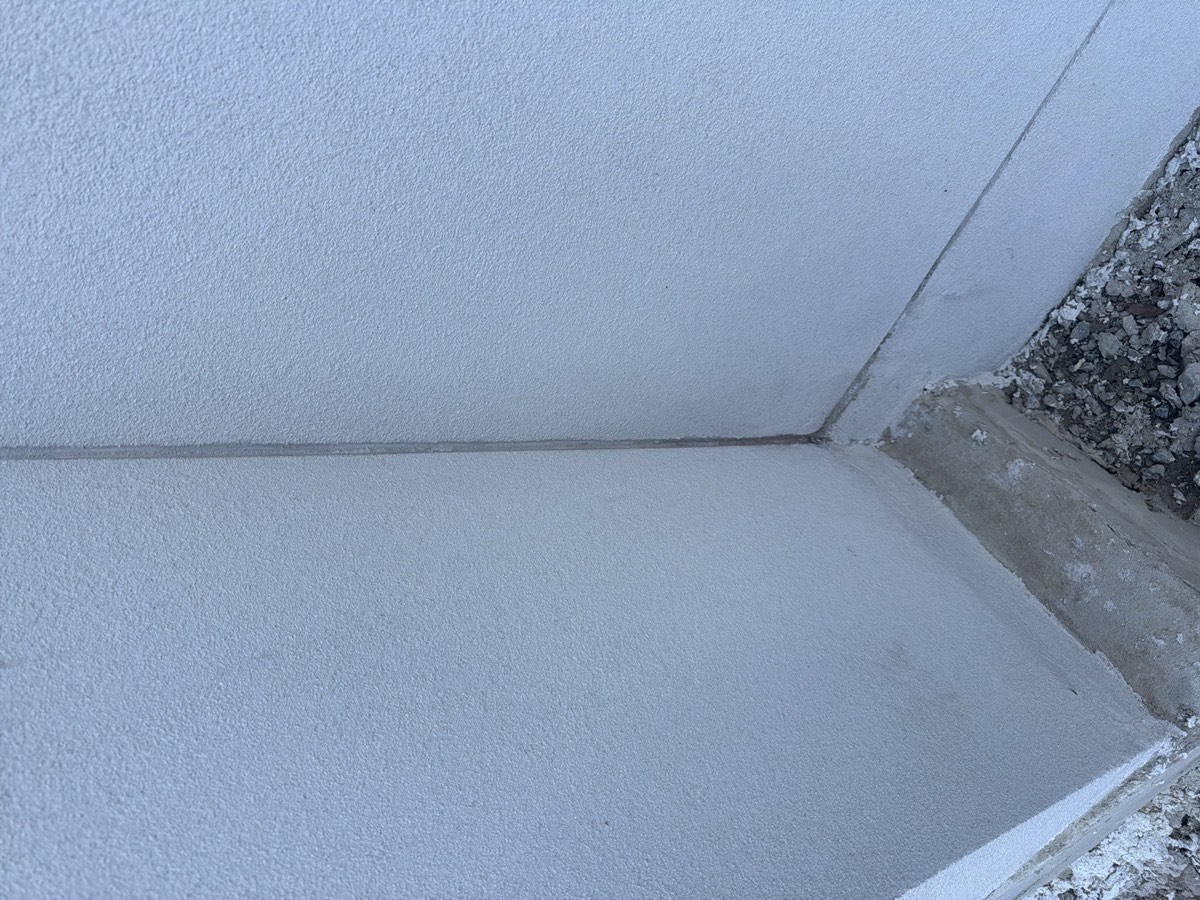
This is the Schofields stage that earns its fee, and it earns it on detail that a freestanding house never presents. Damp proof course continuity across the junction between dwellings, recorded twice. Fire rated sealant at service penetrations. Pressure flashings. Joint thickness. Render covering something it should not have. And corrosive paint applied to metal that will sit inside a wall for the life of the building.
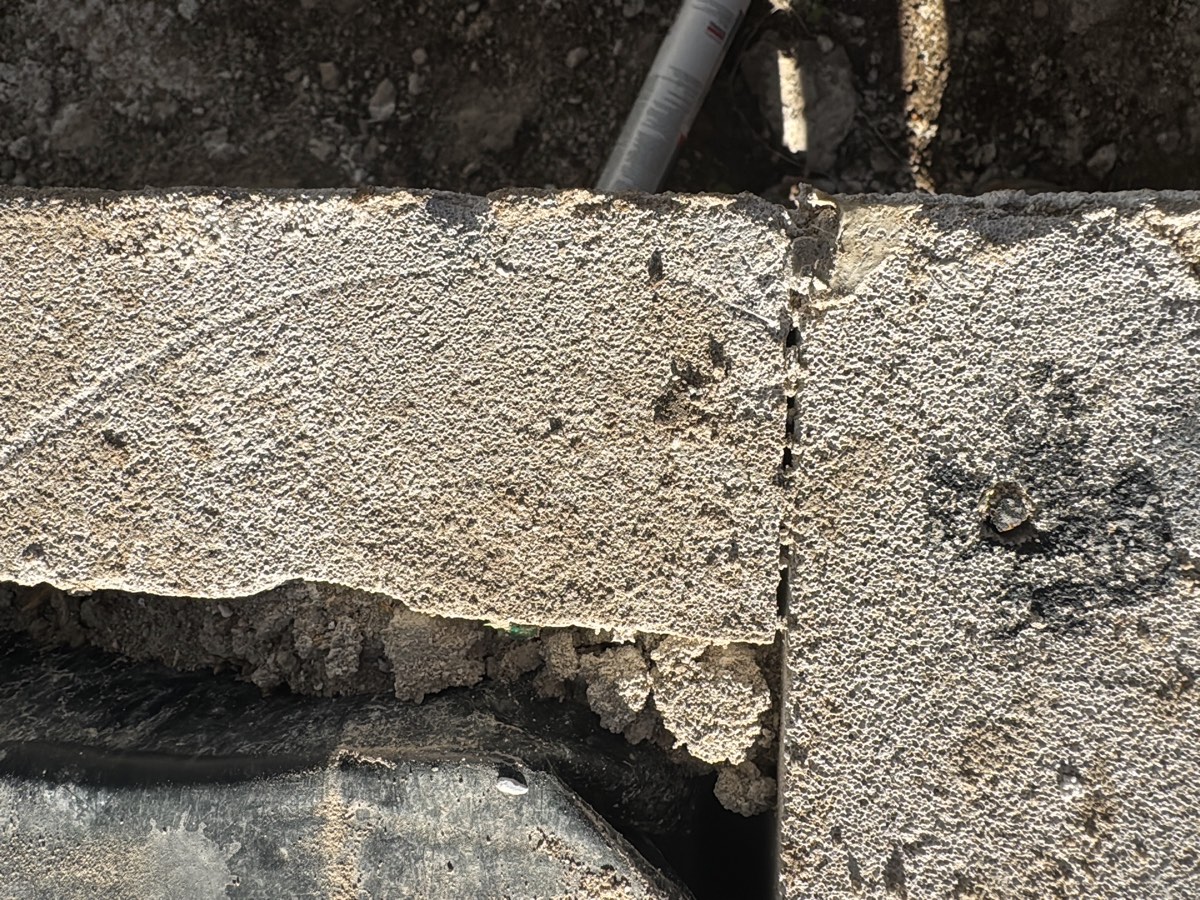
Annotated findings from Lock-up (pre-plaster) inspections on Schofields builds. Client addresses withheld.
 1Bored piersAfter boring and cage placement, before concrete
 2Slab pre-pourThe day before the pour, steel and formwork complete
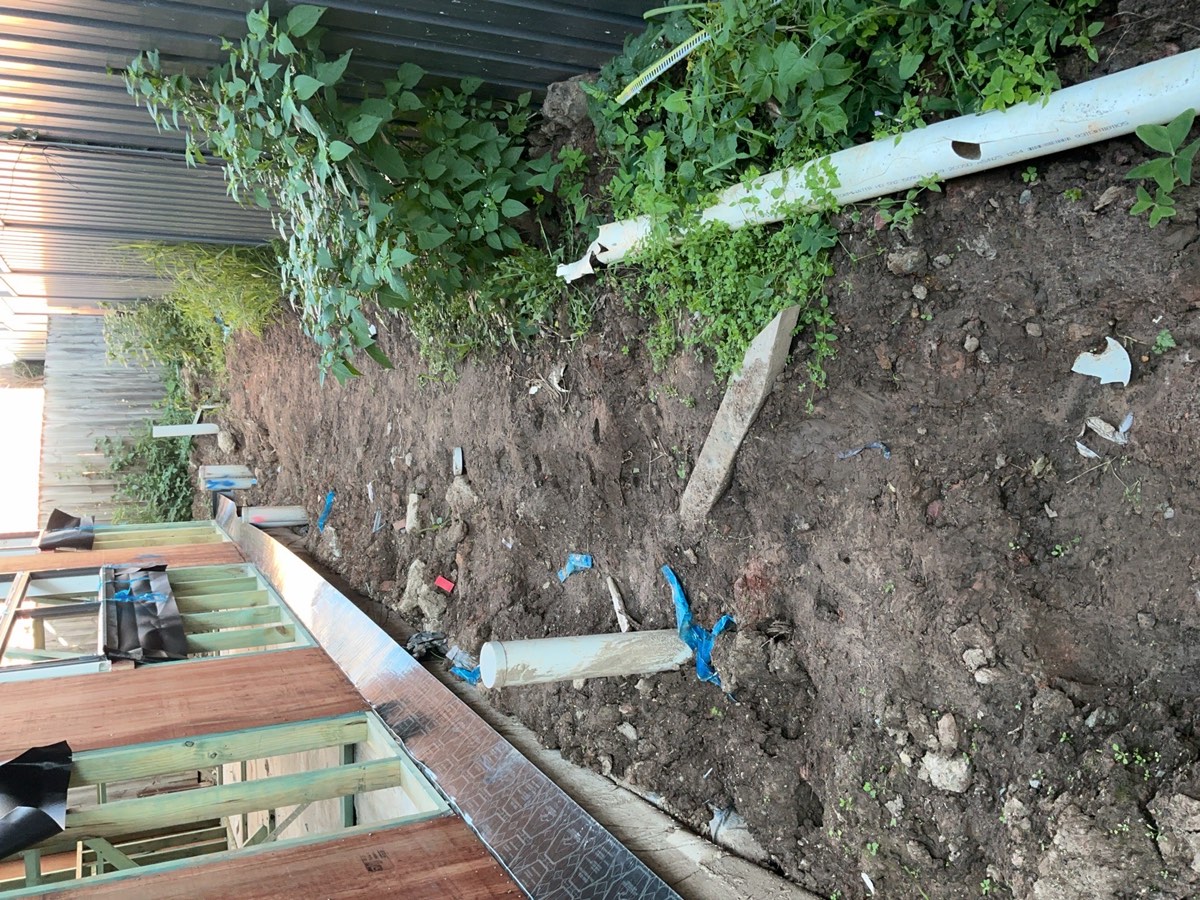 3FrameOnce frame and trusses are up and the roof is on, before lining
 5FixingAfter mouldings, doors and joinery, before the painter
 6WaterproofingAfter the membrane is applied and before any tile is laid
 7Pre-handover (PCI)Two to three weeks before your handover date
Instant online pricing, or talk to the booking team on 1300 471 805.
A gap, a lap in the wrong direction, or a section simply not carried across the junction. On attached dwellings that junction is where moisture crosses between properties, so continuity is the whole point.
Because a service penetration through a fire separating wall breaches the separation, and only a rated product reinstates it. Standard sealant is visually identical and provides none of the resistance.
On galvanised or coated metal inside a wall, yes. Some coatings react with the substrate and shorten its life, and that element is never inspected again.
Yes, one stage under two names, defined by services being complete and linings not.
Around two hours plus the report, longer where the dwelling is attached and there is more junction detail to reach.
We assess what remains exposed and record which areas were already closed.