Schofields Building
Inspections
★★★★★ 4.8 on Google · 570+ reviews

Waterproofing inspection in Schofields

The membrane examined while it is still a membrane.

  • After the membrane is applied and before any tile is laid
  • About 1 hour on site
  • Report within 24 hours
Price your Schofields inspectionTell us the address and what you need.

Fully licensed & accredited

Stage6 of 7
When to bookAfter the membrane is applied and before any tile is laid
Time on siteAbout 1 hour on site
Inspected againstAS 3740 (waterproofing of domestic wet areas), AS 3958 (tiling), NCC Volume Two Part 10.2

What is included in a Schofields waterproofing inspection

  • Membrane coverage across the floor and up the walls
  • Wall upturn heights at the shower and against hobs
  • Hob, threshold and step-down details
  • Bond breakers at wall and floor junctions
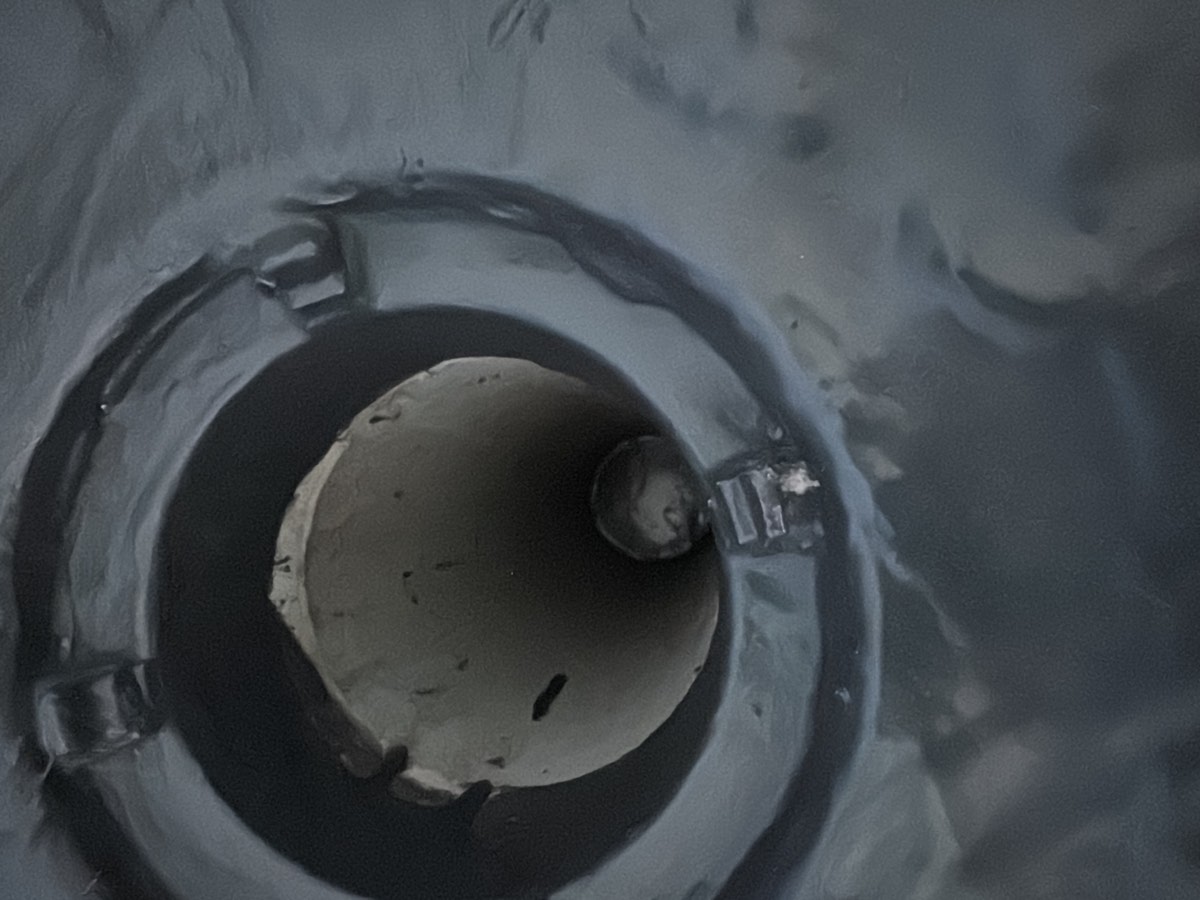
  • Floor waste flange bedded and sealed to the membrane
  • Falls to the floor waste and shower screed
  • Penetrations for taps, wastes and shower rails sealed
  • Membrane cure, damage and coverage before tiling
  • Primer and substrate preparation where visible
  • Set-down depth against the finished floor level
  • Junctions to baths, screens and vanities
  • Laundry, powder room and ensuite treated to the same standard
Why it matters here

Waterproofing inspections on Schofields builds

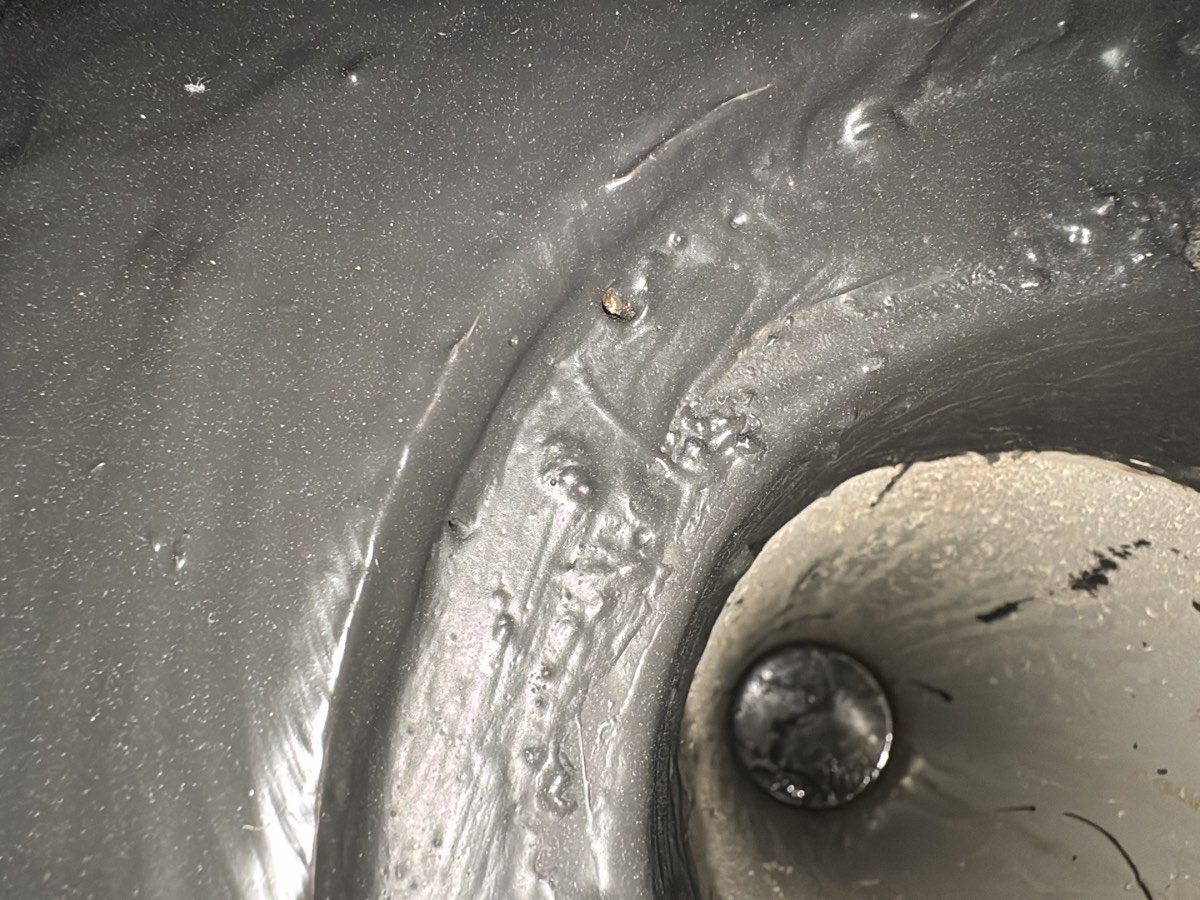
Nine pinhole records across the Schofields wet areas, in shower recesses and at the main drain. A pinhole is a break in the applied membrane roughly the width of a pen tip, usually a bubble that burst as the coat cured. It is invisible at walking pace and obvious with light behind it, which is the entire reason this stage is worth booking separately rather than folding into a general visit.
What we find at this stage in Schofields

  • Pinholes through the membrane in recesses and at the main drain
  • Bond breakers absent at moving junctions
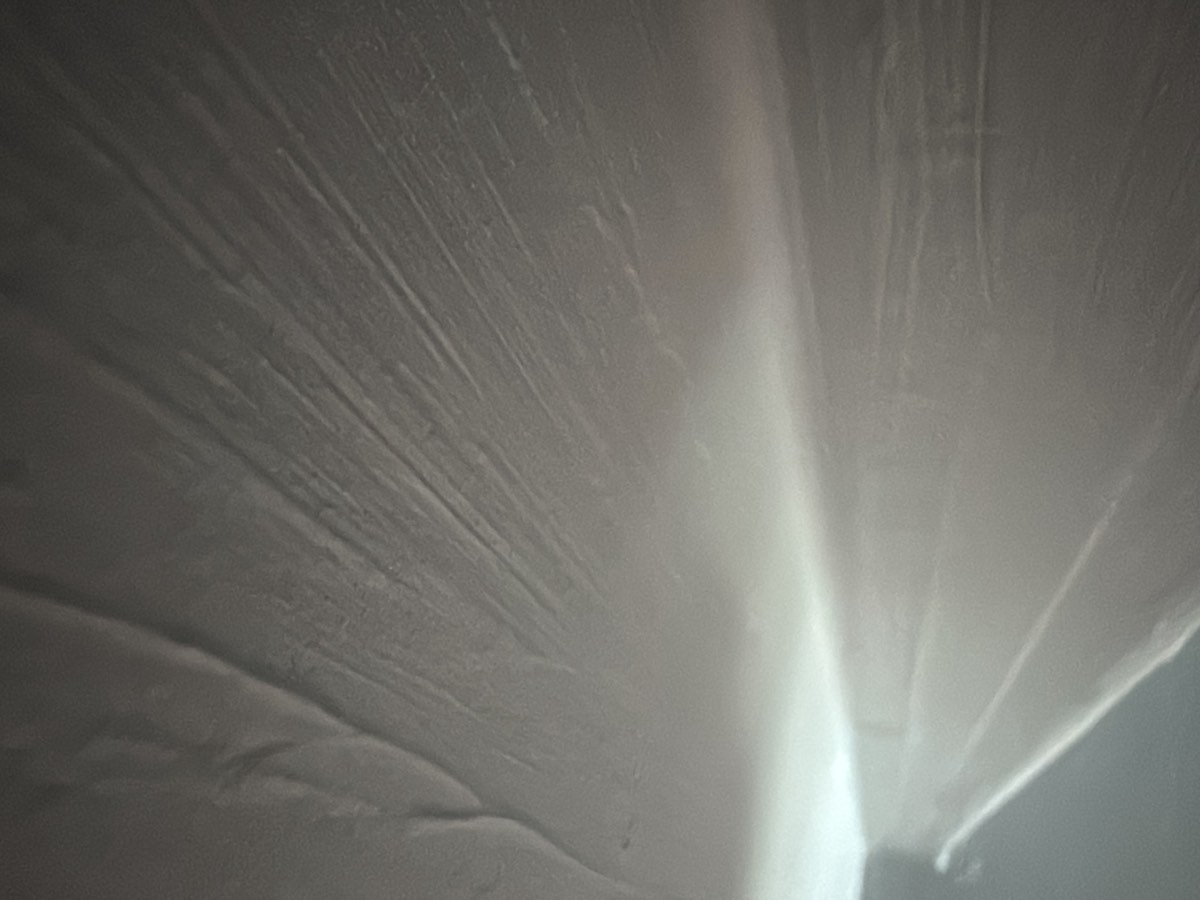
  • Damage to the applied membrane
  • Coverage short at terminations
  • Falls not carrying water to the waste
Membrane damaged before tiling, Schofields
Membrane damaged before tiling
Sample findings

Sample defects found during our waterproofing inspections in Schofields

Annotated findings from Waterproofing inspections on Schofields builds. Client addresses withheld.
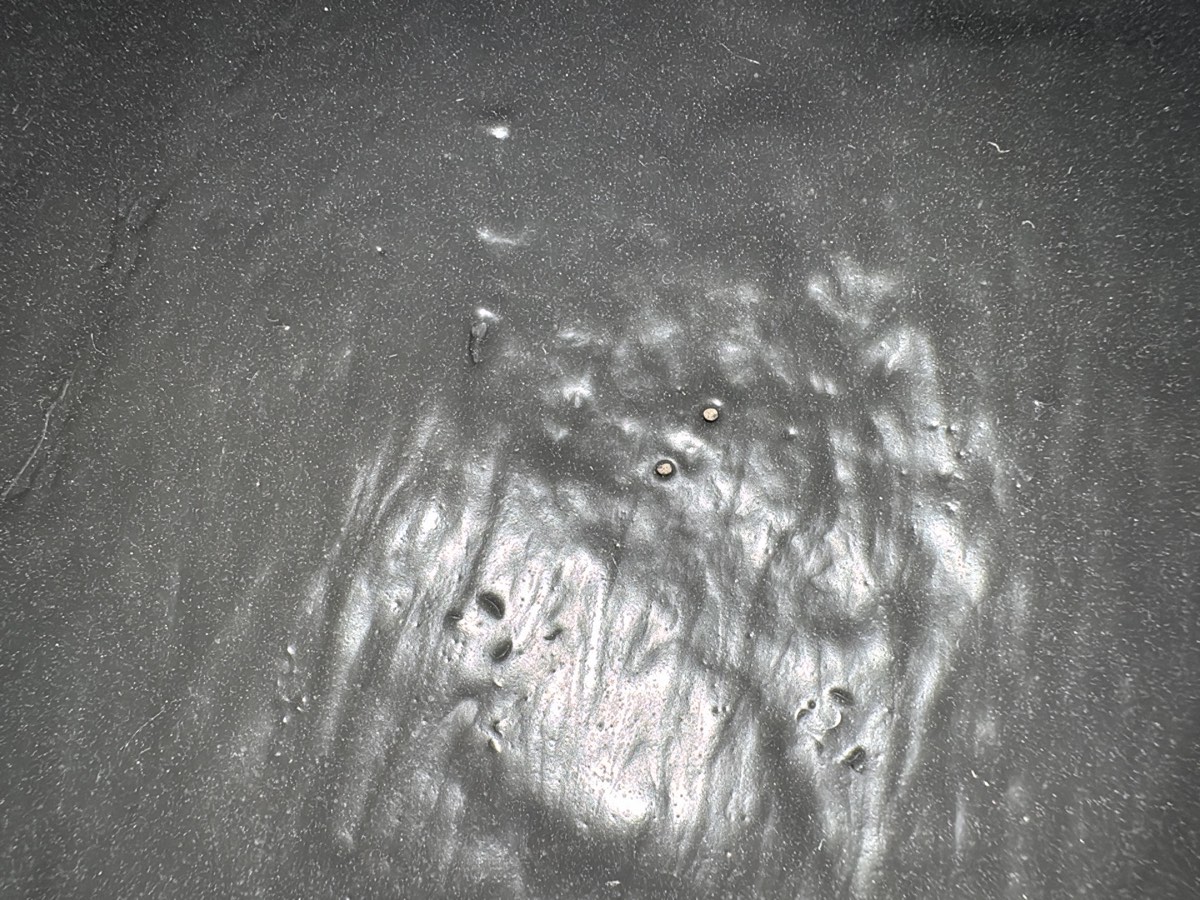
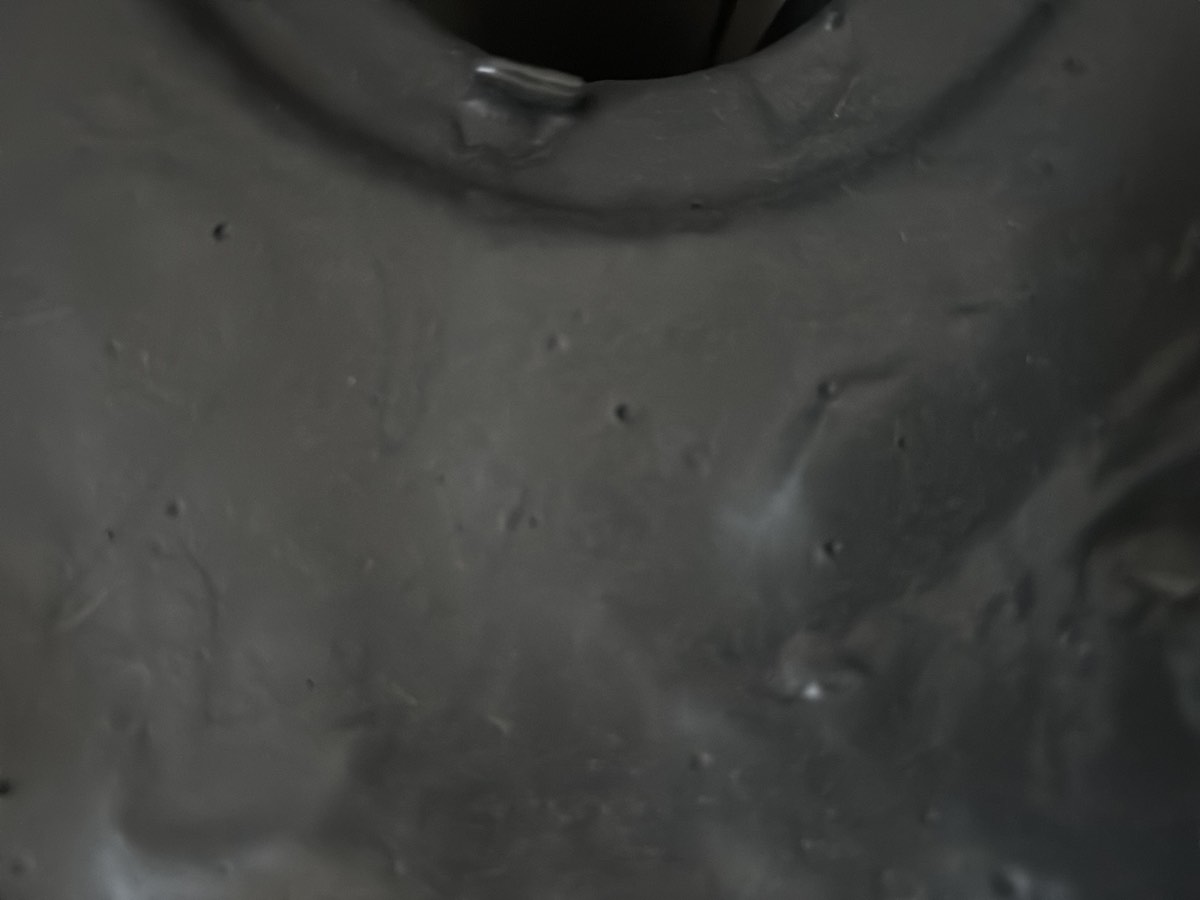
Pinholes, recorded during a fixing stage inspection in Schofields
Pinholes through the membrane
Pinhole at the main drain, recorded during a fixing stage inspection in Schofields
Pinhole at the main drain
Pinholes to a shower recess, recorded during a fixing stage inspection in Schofields
Pinholes in a shower recess
Bond breaker, recorded during a fixing stage inspection in Schofields
Bond breaker at a junction

The other stages of a Schofields build

  1. Bored piers inspection in Schofields1Bored piersAfter boring and cage placement, before concrete
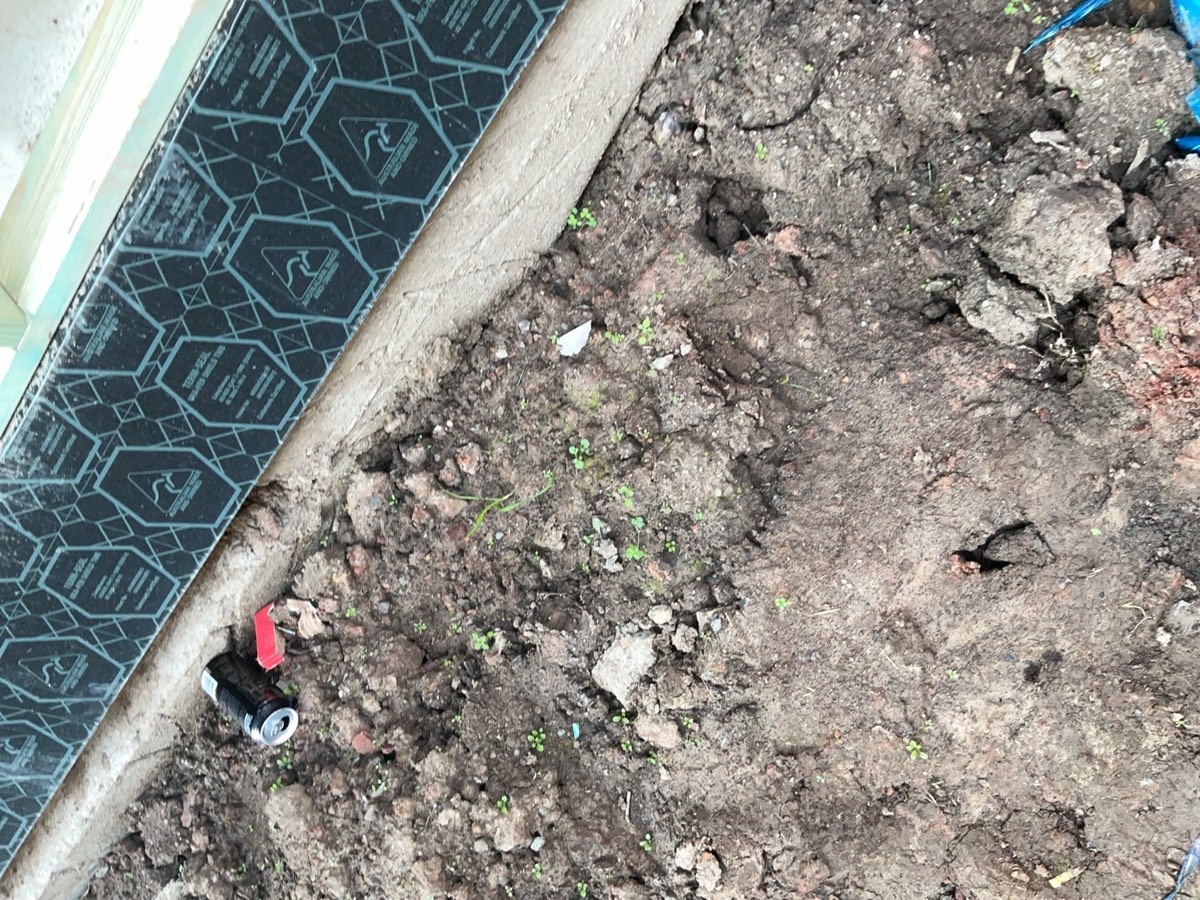
  2. Slab pre-pour inspection in Schofields2Slab pre-pourThe day before the pour, steel and formwork complete
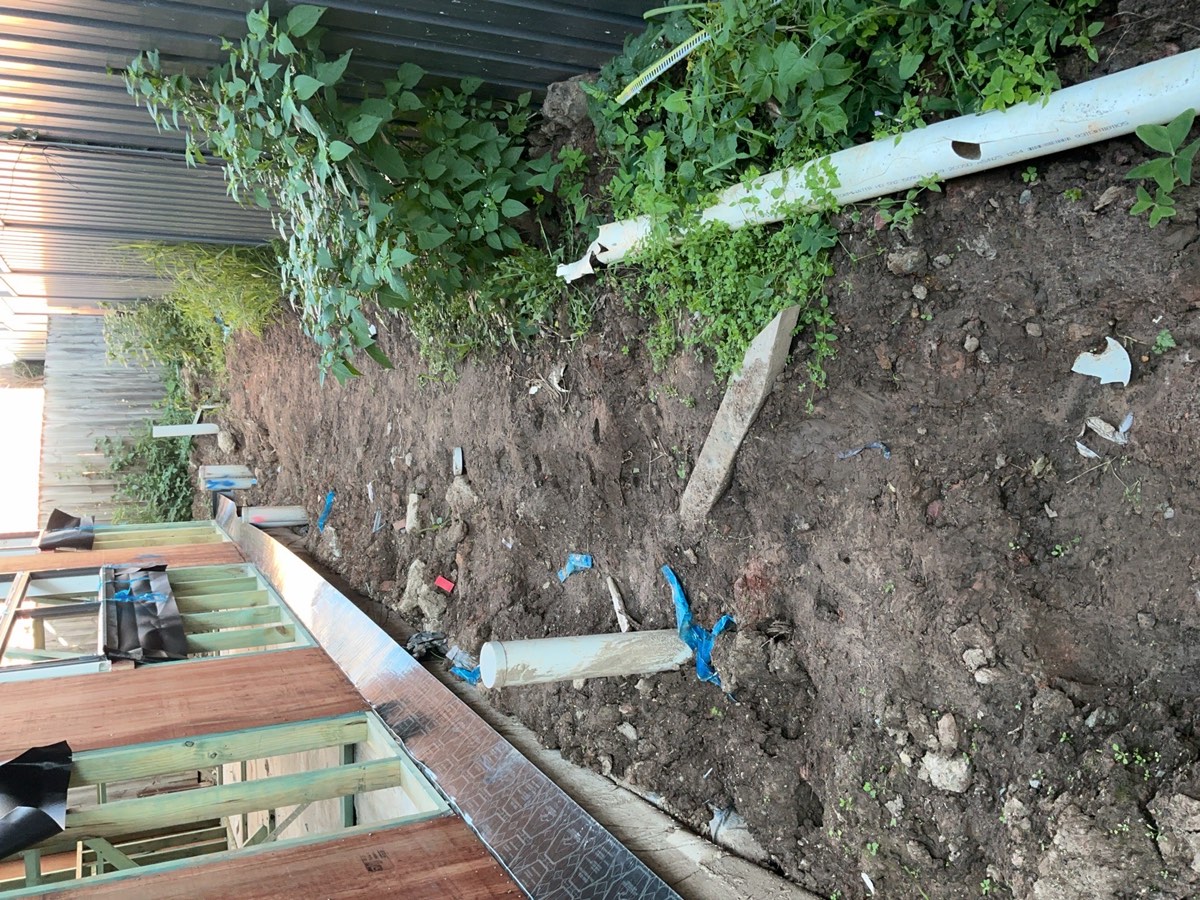
  3. Frame inspection in Schofields3FrameOnce frame and trusses are up and the roof is on, before lining
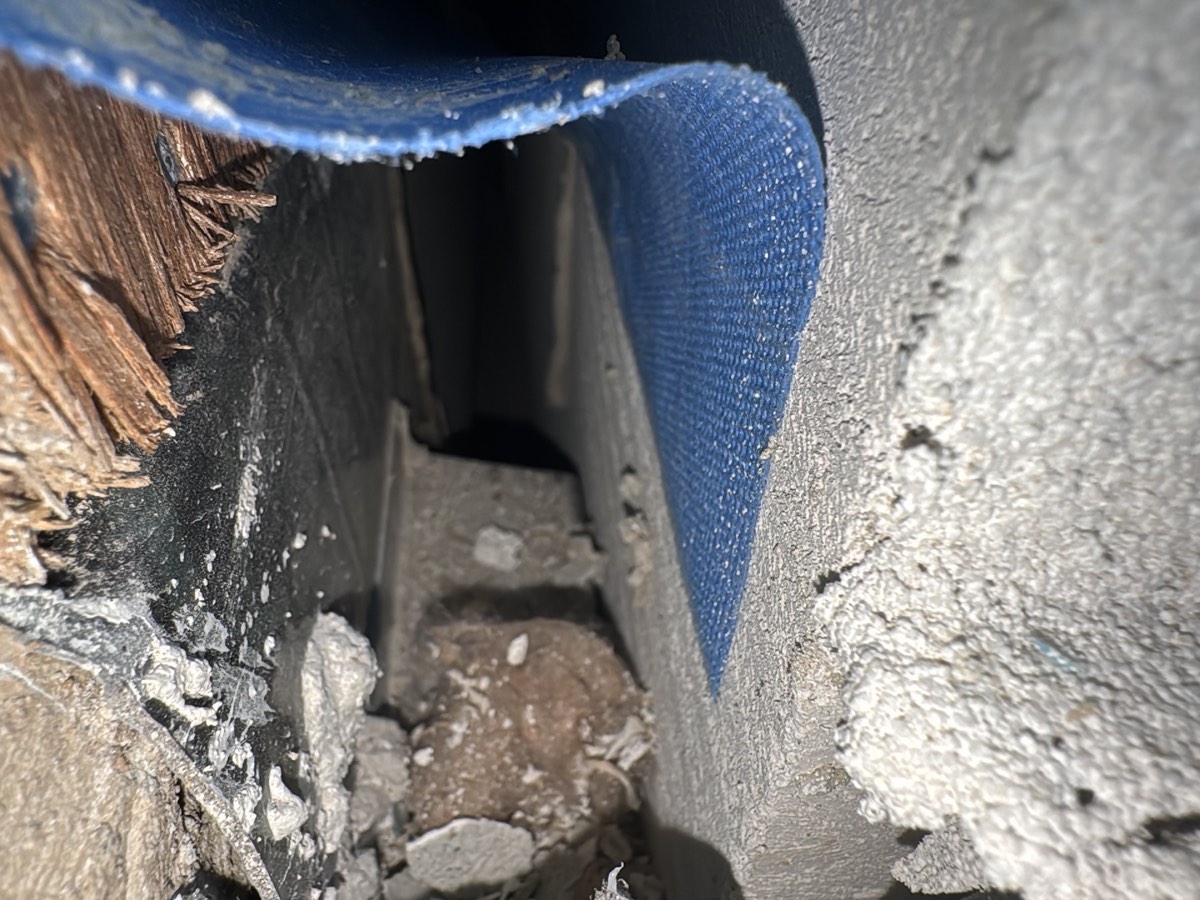
  4. Lock-up (pre-plaster) inspection in Schofields4Lock-up (pre-plaster)After roof, cladding and external doors, before plaster
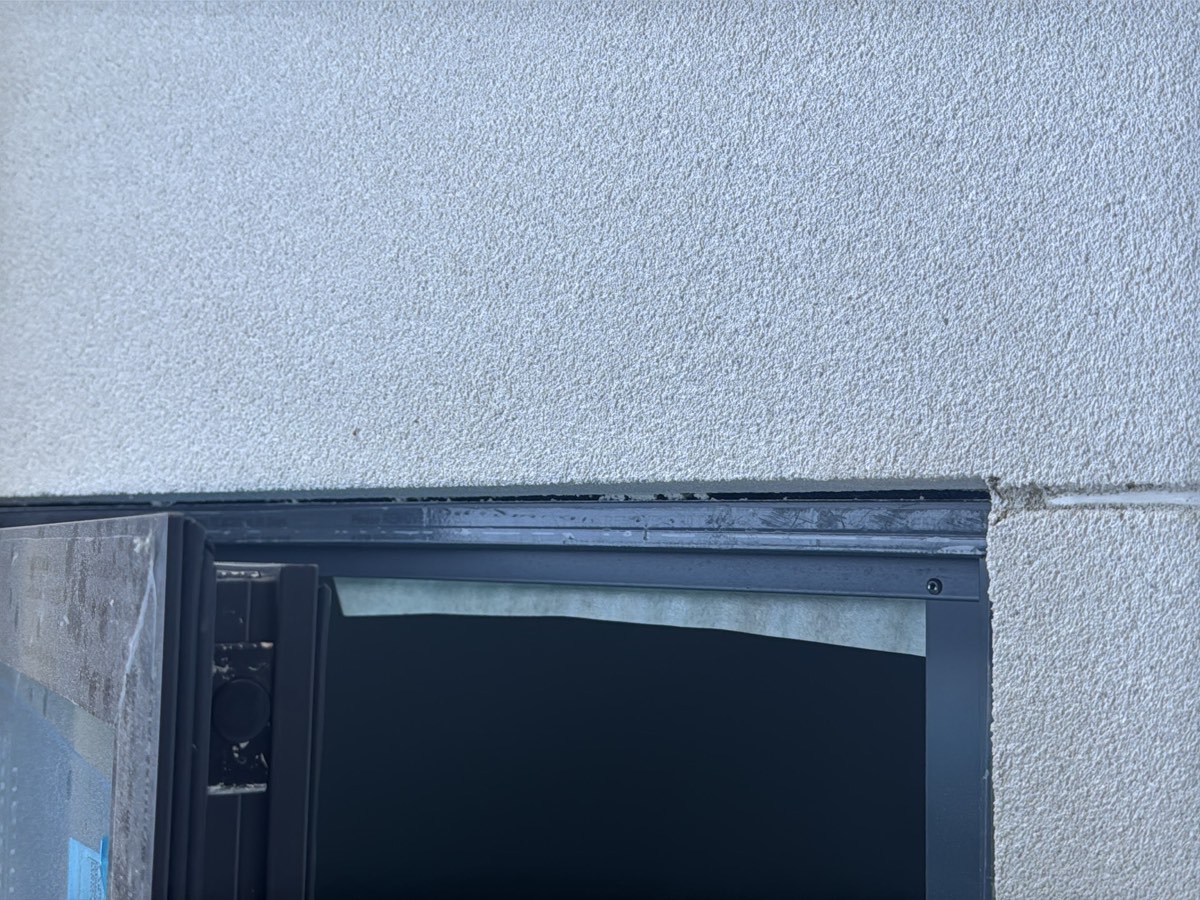
  5. Fixing inspection in Schofields5FixingAfter mouldings, doors and joinery, before the painter
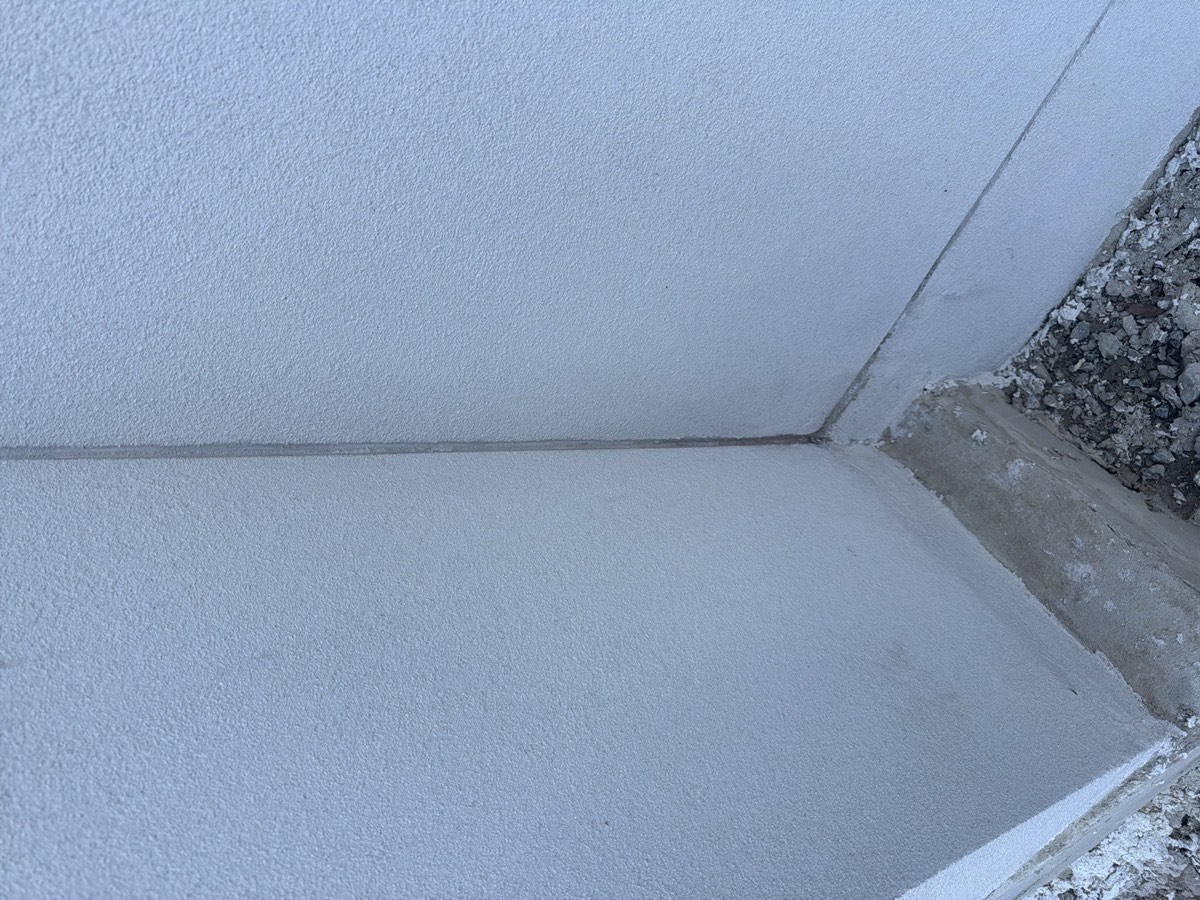
  6. Pre-handover (PCI) inspection in Schofields7Pre-handover (PCI)Two to three weeks before your handover date

All construction stage inspections in Schofields →

Guides

Construction stage guides for Schofields

All guides →

Book a waterproofing inspection in Schofields

Instant online pricing, or talk to the booking team on 1300 471 805.

FAQ

Waterproofing inspections in Schofields: common questions

What causes a pinhole?

Usually a bubble that burst as the coat cured, or debris trapped under the membrane. The result is a hole in a layer whose only job is to have none.

How are they found?

By going over the whole membrane closely with light rather than glancing in from the doorway. It is slow work and it is why the stage stands on its own.

What does a bond breaker do?

At a junction where two surfaces move independently, it lets the membrane bridge the joint instead of being stuck to both sides and tearing when they move.

Which standard governs it?

AS 3740 for domestic wet areas, alongside the National Construction Code and the ABCB Housing Provisions.

Do you flood test?

No. That test cuts into completed work and sits with the waterproofer as part of their own process.

What if tiling has started?

We assess whatever is still exposed and log the areas already closed.

CallGet a Free Quote